Hygiene in Darien
Regular cleanings and check-ups that remove the plaque and tartar a toothbrush cannot, and catch gum problems while they are still reversible.
A cleaning is the appointment that prevents the other appointments. It removes what brushing leaves behind, and it is when gum disease gets caught, at the stage where it is still completely reversible.
What’s included
- Cleanings for the entire family, all ages welcome
- Removal of plaque, tartar, buildup and surface stains
- Gum health evaluated at every single check-up
- Straight answers about bleeding or irritated gums
- Treatment planned to protect the bone under your gums
About Dental Hygiene
Here at B & R Dentists we are committed to helping you maintain great oral health and hygiene. We encourage you to have regular check ups and dental cleanings. We know that overtime teeth accumulate plaque, tartar, buildup and stains which is why at each check up your dentist will evaluate the current health of your gums. If not professionally removed on a regular basis, bacterial deposits can progress into gingivitis and/or periodontal disease. If periodontal disease is left untreated it can lead to tooth loss and other oral and overall health issues. At B & R Dentists, we offer dental cleanings for the entire family. We welcome all families whether they are seeking general dentistry, regular checkups or are experiencing bad breath, swollen, irritated, or bleeding gums. Your dentist will discuss the treatment necessary to promote healthy gums, underlying bone support and overall oral health.
Reasons to Book a Cleaning
Book if it has simply been six months. That is the whole reason most people come. Book sooner if your gums bleed when you brush or floss, if they look puffy or red, if your breath has changed and does not improve with brushing, if a tooth has become sensitive to hot or cold, or if you can see or feel hard deposits along the gumline. Book too if you have avoided the dentist for years and are not sure where to start. None of those things get better on their own, and every one of them is easier to treat the earlier it is found.
Benefits of Regular Hygiene Visits
Almost all of the value is in what does not happen. Tartar that is removed twice a year never becomes the gum infection that loosens teeth. A cavity found at three millimetres is a filling; the same cavity found two years later can be a root canal and a crown. Gingivitis caught early reverses completely with a cleaning and better home care. Periodontitis, its next stage, does not, because by then the bone holding your teeth has already been lost. Cleanings also remove the surface staining from coffee, tea and tobacco, which is why teeth look noticeably brighter afterward without any whitening at all. And because we look at the same mouth on a regular schedule, we can spot the thing that is different this time.
What to Expect at Your Visit
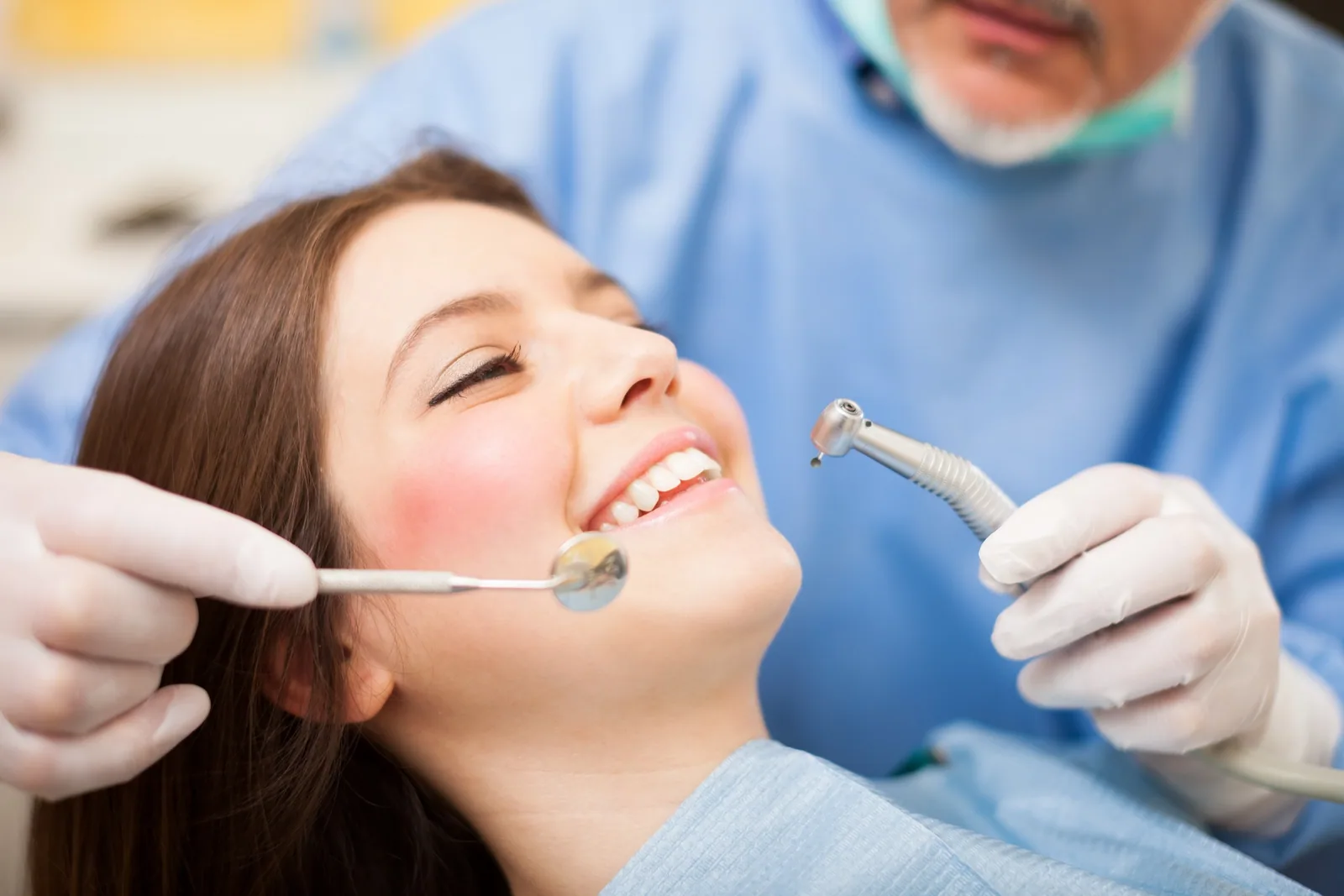
Your hygienist removes plaque and tartar from every tooth, above and below the gumline, then polishes the surfaces. Gum health is measured and recorded so it can be compared with previous visits. X-rays are taken when they are due, and your dentist examines your teeth, gums, bite and soft tissue. At the end you get a clear picture of where things stand, and if something needs treatment, you get the reason, the options and the cost before anything is scheduled. Most cleanings take about an hour. Tell us if any part of it is uncomfortable; we would much rather slow down than have you dread coming back.
Common Questions
How often should I have a cleaning?
It has been years since I saw a dentist. Is it going to be a lecture?
Why do my gums bleed when I floss?
Will the cleaning hurt?
Does insurance cover cleanings?
Terms You May Hear
- Plaque
- The soft, sticky bacterial film that forms on teeth constantly. It can be brushed and flossed off. This is the part you control at home.
- Tartar (calculus)
- Plaque that has hardened onto the tooth. It can no longer be brushed away and has to be removed with instruments, which is the main thing a cleaning does.
- Gingivitis
- Early gum inflammation: red, puffy, bleeding gums. It is fully reversible at this stage, which is why catching it matters.
Related Services
Ready to Schedule Your Appointment?
Due for a cleaning? Call (630) 427-1800. If it has been a long time since your last visit, that is genuinely fine. It is one of the most common things we hear.