Oral Cancer Screening in Darien
A screening that adds one or two painless minutes to your exam and looks for the tissue changes that matter while they are still easy to treat.
Oral cancer is one of the few cancers whose survival rate has barely improved in decades, not because treatment has not advanced, but because it is usually found late.
What’s included
- Part of a routine dental exam
- Adds only one or two minutes to a routine exam
- Completely free of pain or discomfort
- Checks the lips, tongue, cheeks, floor and roof of the mouth
- Offered as a preventive measure at no added complexity
About Oral Cancer Screening
Our practice continually looks for ways to provide the optimum level of oral health care and to educate our patients. Oral cancers are on the rise and the demographic they affect is changing. An oral cancer exam is a routine part of your visit here, carried out as a careful visual and physical examination of the soft tissues of the mouth and the lymph nodes of the neck and jaw. One American dies every hour from oral cancer, and late detection is the primary risk factor. The screening adds only one or two minutes to a conventional exam and is completely free of any pain or discomfort.
Reasons to Be Screened
Screening is recommended for every adult at routine intervals, because the early stages are typically painless and easy to overlook. Come sooner if you notice a sore or ulcer in the mouth that has not healed within two weeks; a white or red patch on the gums, tongue, cheek lining or floor of the mouth; a lump or thickening you can feel; persistent hoarseness or a change in your voice; difficulty or discomfort swallowing; numbness anywhere in the mouth or lips; or a persistent sore throat with no obvious cause. Risk is higher with tobacco in any form and with heavy alcohol use, and rates in younger adults with no traditional risk factors have been rising because of HPV, which is a large part of why the demographic it affects is changing.
Why Early Detection Matters
This is a cancer where the stage at diagnosis largely determines the outcome. Found early and confined to its original site, oral cancer is highly treatable and treatment is comparatively limited. Found after it has spread to the lymph nodes, survival falls sharply and treatment becomes far more invasive: surgery affecting speech and swallowing, radiation, chemotherapy. Late detection is the primary risk factor, which is an unusual thing to be able to say about a cancer, and it is precisely why a screening that takes two minutes during an appointment you were already attending is worth having. A screening is not a diagnosis; what it does is flag tissue worth a closer look, early, while options are still wide open.
What to Expect
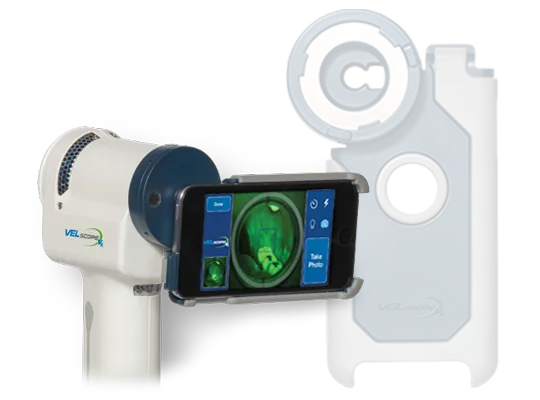
We carry out a conventional visual and physical examination: we look at the lips, gums, tongue including underneath and along the sides, the floor and roof of the mouth, and the inside of the cheeks, and feel the neck and jaw for changes in the lymph nodes. Nothing touches you beyond that gentle examination, there is nothing to swallow and no discomfort of any kind. The whole addition takes one or two minutes. If something looks worth watching we will tell you exactly what we have seen, photograph it, and either review it in two weeks or refer you for a biopsy. Most findings turn out to be harmless, and the point is to know rather than to wonder.
Common Questions
What happens during an oral cancer screening?
Is it uncomfortable?
Who should be screened?
What happens if something is found?
Is the screening separate from my regular check-up?
Terms You May Hear
- Leukoplakia
- A white patch on the oral tissues that cannot be wiped off. Usually harmless, occasionally precancerous, always worth examining.
- Biopsy
- Removing a small tissue sample for laboratory analysis. It is the only way to confirm what a suspicious area actually is.
Related Services
Ready to Schedule Your Appointment?
Ask for an oral cancer screening at your next visit, or call (630) 427-1800 to book one.