Gum Therapy in Darien
Deep cleaning below the gumline to treat periodontal disease: the leading cause of tooth loss in adults, and one that is very treatable once it is found.
Gum disease is the most common reason adults lose teeth, and it is usually painless until it is advanced. That combination is exactly why it gets missed.
What’s included
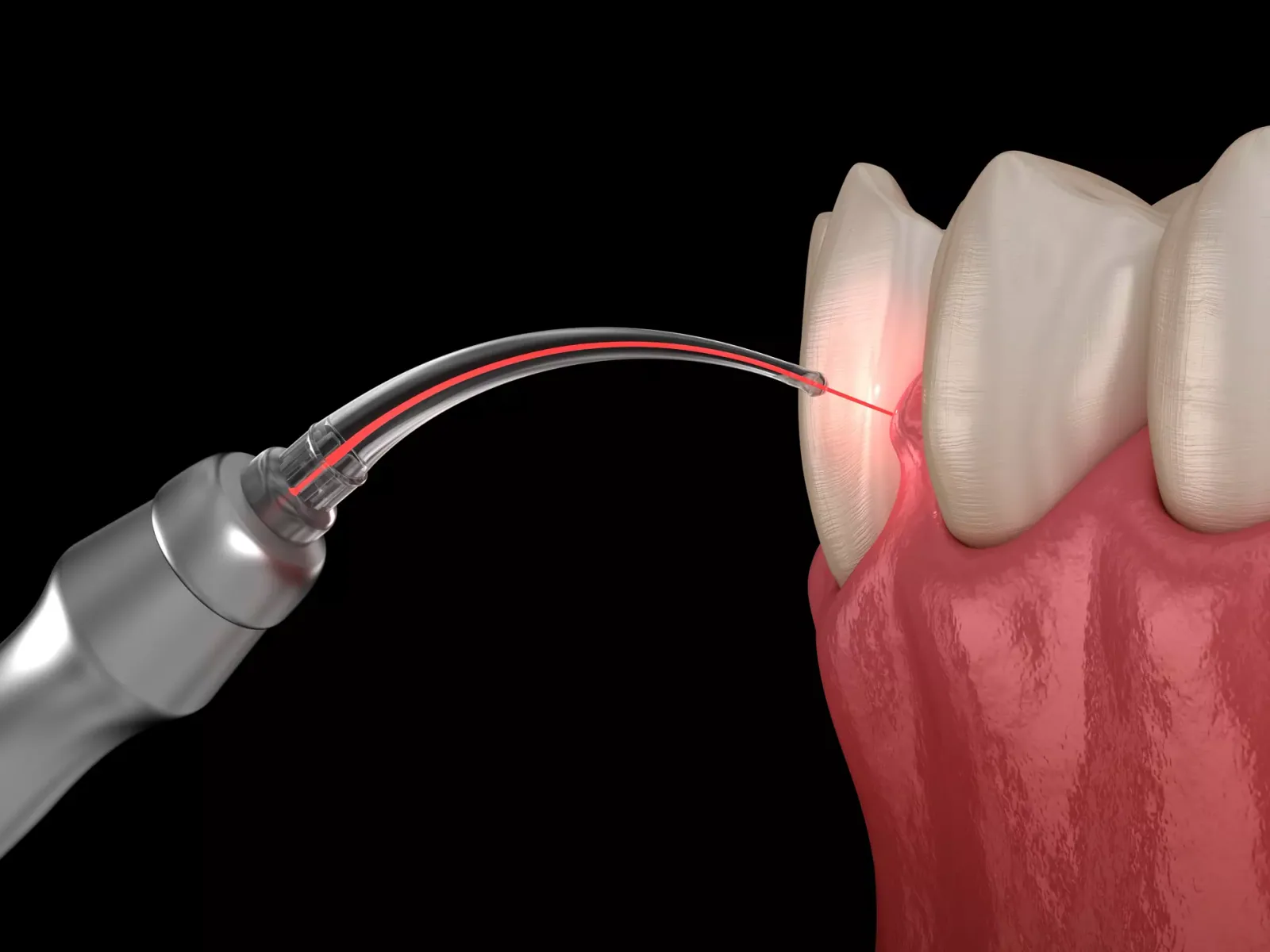
- Scaling and root planing below the gumline
- Arestin antibiotic therapy where it is indicated
- Gum measurements tracked visit to visit
- Treats bleeding, receding and pocketing gums
- Aimed at keeping the bone that holds your teeth
About Periodontal Treatment
Gums are the tissue that surround and support your teeth. Gum disease is when this tissue becomes infected and is one of the leading causes of tooth loss. Plaque is the primary cause of gum disease, which is also called periodontal disease. Plaque (the bacteria on teeth) is constantly forming, so regular dental care is important to preventing buildup that affects the gums. Periodontal disease is a serious issue that affects many people's lives. At B & R Dentists we are skilled and capable of treating periodontal disease. The cleaning of calculus, or tartar, is a major component of treating periodontal disease. However, changes in the patient's behavior are just as important. Making sure your dental hygiene habits are up to par is critical in the treatment of periodontal disease. We offer a wide range of treatment options that are not limited to but include scaling and root planing with or without the use of arestin, which is an antibiotic used after the cleaning to prevent infection. Your teeth are meant to last a lifetime, so it is critical to properly care for them. If you have periodontal disease, don't feel hopeless. It is a treatable disease, but one that requires the patient to be aware and active with their dental care.
Signs of Gum Disease
Gums that bleed when you brush or floss. Gums that look red, swollen or shiny rather than firm and pink. Persistent bad breath or a bad taste that brushing does not fix. Gums pulling away from the teeth, so teeth look longer than they used to. Increasing sensitivity at the gumline where root surface has become exposed. Teeth that feel loose or that have shifted, or a bite that has started to feel different. Pus at the gumline. Note that smokers often bleed less, not more: nicotine constricts the blood vessels, which can mask the disease while it progresses.
Benefits of Treating Gum Disease
The bone that holds your teeth does not grow back. That single fact is why this matters more than most dental problems: treatment stops further loss, but it cannot undo what has already gone. Catching it at the gingivitis stage means a cleaning and better home care reverse it completely. Catching it at early periodontitis means scaling and root planing can arrest it and let the gums reattach. Left alone, it ends in loose teeth and extractions. Treatment also removes a chronic bacterial infection from your bloodstream. Gum disease has established associations with heart disease, poorly controlled diabetes and other systemic conditions, and treating it is part of general health, not only dental health.
What to Expect
First we measure. A small probe records the depth of the space between each tooth and the gum. One to three millimetres is healthy, four and above indicates a pocket where bacteria live beyond the reach of a toothbrush. Those numbers, with X-rays showing the bone level, tell us the stage. Scaling and root planing then cleans the tartar from the root surfaces below the gumline and smooths them so the gum can reattach. It is done under local anaesthetic, usually over two visits treating one half of the mouth at a time. Arestin, an antibiotic placed directly into deeper pockets, is used where it will help. After that you move to a maintenance schedule, typically every three or four months, and we re-measure to confirm the pockets are shrinking.
Common Questions
How is this different from a regular cleaning?
Will I lose my teeth?
Why do I need cleanings every three months now?
Is gum recession reversible?
Does it hurt?
Terms You May Hear
- Scaling and root planing
- The deep cleaning that removes tartar from root surfaces below the gumline and smooths them so gum tissue can reattach.
- Periodontal pocket
- The space between tooth and gum. Up to 3mm is healthy; deeper pockets trap bacteria out of reach of brushing.
- Arestin
- An antibiotic powder placed directly into a deep pocket after cleaning, to suppress the bacteria that cause the infection.
Related Services
Ready to Schedule Your Appointment?
Gums bleeding, receding or sore? Call (630) 427-1800. This is one where timing genuinely changes the outcome.