Crowns in Darien
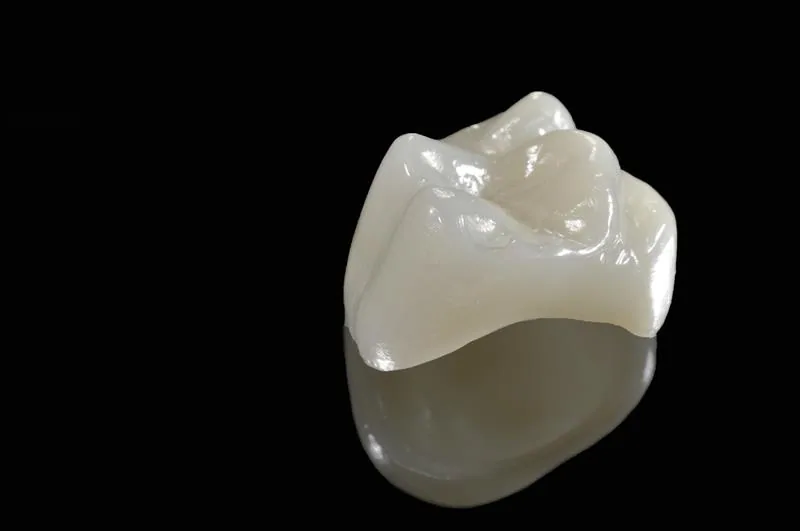
A crown covers a damaged tooth to restore its original shape and size, and to hold together a tooth that no longer has enough structure to hold itself.
When a tooth has lost too much of itself — to decay, a fracture, or an old filling that has outgrown it — a crown wraps what is left and takes over the job of chewing.
What’s included
- Restores a tooth's original shape, size and strength
- Holds a large filling that the tooth can no longer support
- Protects weak teeth and repairs broken ones
- Covers discoloured or misshapen teeth
- Digital iTero impressions instead of putty trays
About Dental Crowns
A tooth can lose its normal shape and size for a variety of reasons. Discolored or misshapen teeth can be covered by a crown, as can dental implants. A crown covers your tooth to help restore its original shape and size. Crowns can also be used to make teeth stronger and look better. Crowns have a variety of uses. In some cases that require a large filling, there isn't enough tooth remaining to keep the filling in place. A crown can strengthen the tooth and hold the filling. Crowns can also protect teeth that are weak, or help fix ones that are broken. Discolored or misshaped teeth can be covered by a crown, as can dental implants. Your dentist may recommend a crown for any of these reasons, among many others. Crowns play an important role in dental health.
Reasons a Crown May Be Recommended
A tooth that has cracked, or that gives a sharp jolt when you bite on it in a particular spot, often the first sign of a crack that has not yet split. A tooth with a filling so large that more filling than tooth remains. A tooth that has had root canal treatment, which becomes brittle without its blood supply. A tooth that has broken, whether from decay underneath an old restoration or from biting something hard. Severe wear from grinding, where teeth have shortened. A tooth that is badly discoloured or misshapen and cannot be corrected with a veneer. And to restore a dental implant, where the crown is the visible tooth that sits on the implant post.
Benefits of a Crown
A crown converts a tooth that is holding together under load into one that is held together by design. That distinction matters most with cracks: a cracked tooth that is crowned in time usually survives, while the same tooth left alone tends to split, and a split that runs below the gumline can no longer be saved at all. Crowns also restore full chewing function, so you stop favouring one side, and they seal the tooth against new decay at the margins of old restorations. Porcelain crowns can be matched to the shade of the teeth beside them, so a heavily repaired tooth stops being the thing you notice in photographs. Properly cared for, a crown routinely lasts ten to fifteen years and often considerably longer.
What to Expect
The tooth is numbed and shaped so the crown has room to sit without being bulky. We then take a digital impression with our iTero scanner rather than a tray of putty: faster, more accurate, and with nothing to gag on. A temporary crown protects the tooth while the laboratory makes the final one, usually about two weeks. At the second visit the temporary comes off, the permanent crown is tried in, and we check the fit, the bite and the shade before cementing it. Expect the temporary to feel slightly different to your tongue and to be a little cold-sensitive; avoid very sticky food on that side until the permanent one is fitted. Once it is cemented, you clean it exactly like a natural tooth, including flossing, because decay can still start at the margin where crown meets tooth.
Common Questions
How long does a crown last?
Crown or filling: who decides?
Will it match my other teeth?
Do you take a putty impression?
Is having a crown prepared painful?
Terms You May Hear
- Crown
- A custom cap that covers the whole visible part of a tooth, restoring its shape, size and strength.
- Margin
- The line where the crown meets the tooth. Keeping it clean is what keeps decay from starting underneath.
- Temporary crown
- A provisional cover worn for about two weeks while the laboratory fabricates the permanent crown.
Related Services
Ready to Schedule Your Appointment?
Been told you need a crown, or cracked a tooth? Call (630) 427-1800 to have it looked at.